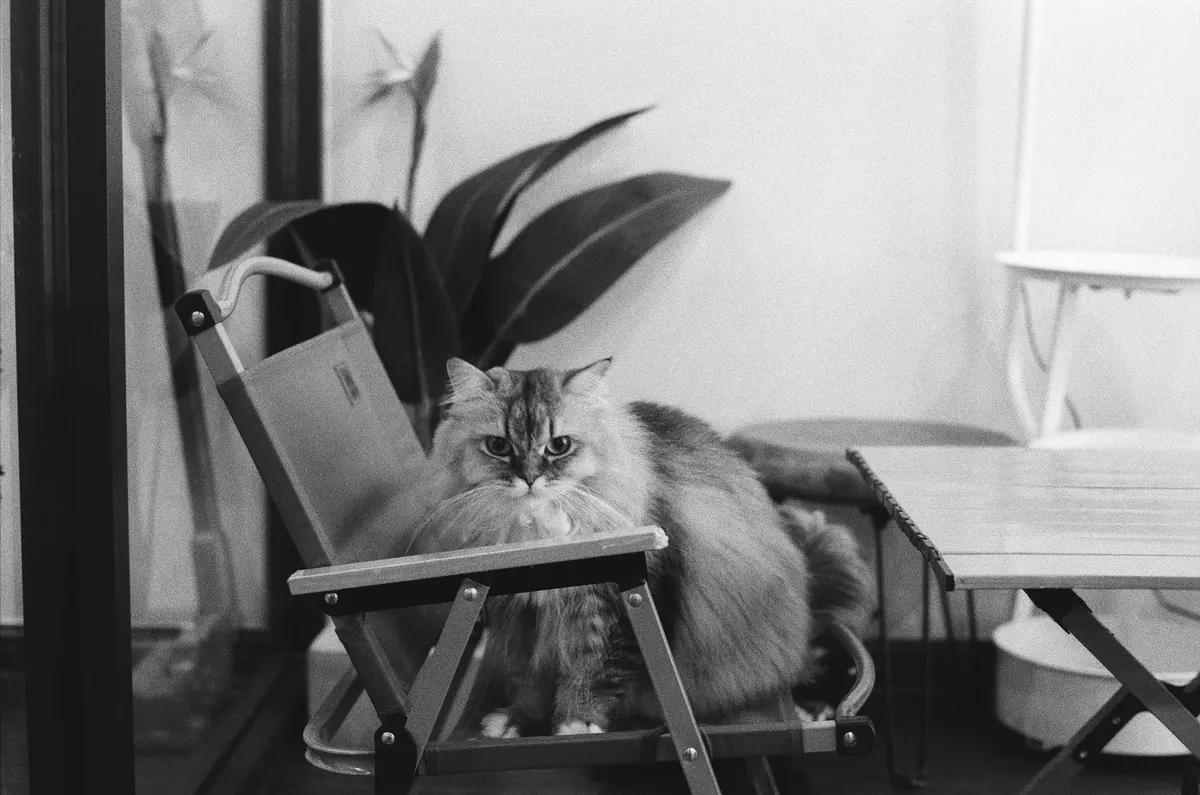
You have two hours, a charged laptop, and a deadline shaped like a to-do list. The cat cafe down the street is warm, smells like coffee, and has a resident tabby asleep in the window. The chain cafe two blocks over has a power strip and nobody who wants to sit on your keyboard. Both are good places. Only one is right for the work you're about to do.
Start With the Work, Not the Cafe
Deep-focus work — writing a report, debugging code, building a spreadsheet — needs long unbroken stretches. Traditional cafes win here, mostly because the interruptions are predictable: someone orders a latte, the grinder runs, the room settles back down. In a cat cafe, interruptions arrive on four legs and cannot be scheduled.
Calls tip the decision further. Even a short video call in a cat cafe is a gamble. Your microphone picks up someone laughing at a kitten, a cat knocks your water glass, and you end up apologizing to a client instead of talking. If your day includes meetings, pick somewhere without animals, or take the calls from home and use the cat cafe as a reward afterward.
Reading, light editing, answering email, sketching out ideas: all of these survive interruption, which makes them good candidates for a table surrounded by cats.
Noise: Two Very Different Kinds of Loud
The traditional cafe sound
Espresso machines and steam wands produce a rhythm. It's loud, but it repeats, and your brain stops noticing it after ten minutes. Chatter rises and falls with the queue.
The cat cafe sound
Fewer machines, more people talking to cats in the voice people use for cats. Silence in between — which sounds ideal until the silence breaks because a cat just jumped on someone. Unpredictable noise is harder to tune out than steady noise, even when the average volume is lower.
Timing matters more than category. A cat cafe at 10 a.m. on a Tuesday can be quieter than any coffee chain at noon, and a busy weekend cat cafe is nobody's office. Visit once without a laptop, order a drink, sit for fifteen minutes and just listen.
Seating: Where the Laptop Actually Goes
Cat cafes are built for lounging. Expect low sofas, cushions, floor seating, small round tables, and a design brief that said "cozy" rather than "ergonomic." Laptops are accommodated, not designed for. Outlets are scarce, tables may sit at coffee-cup height, and if you need a second screen or a mouse, you'll be rearranging the room.
Traditional cafes tend to have proper two-tops, chairs with backs, and somewhere to plug in — though plenty now restrict laptops during peak hours or cap how long you can hold a table.
Some cat cafes have a partition: a carpeted cat room and a separate seating area on the other side of a glass door. If you can find one, that's the compromise. You get cats when you need a break and a stable table when you don't.
Wi-Fi, Power and the Small Print
Never assume a cat cafe has reliable internet. Many are small operations running a domestic router, and some skip Wi-Fi on purpose so people look up. Ask before you order:
- Is the Wi-Fi public, and does it hold up when the room is full?
- Are there outlets near the tables, or only on the wall by the door?
- Is there a minimum spend, an entry fee, or an hourly rate?
- Are laptops allowed at all, and are they allowed on weekends?
- Is there a session limit — sixty minutes, ninety minutes?
Bring a charged battery and a phone hotspot as backup. Pack headphones with decent passive isolation. And if you arrive to find the room full of strollers, take that as your cue to work somewhere else today.
Cat Etiquette for Anyone With a Laptop
Cats ignore your business model. A few ground rules keep you welcome and the cats unbothered.
- Angle your laptop away when a cat is nearby. A warm keyboard is the best bed in the room, and claws don't care about your screen.
- Let cats come to you. Ask staff before picking one up; many cafes prefer that you don't.
- Don't wake sleeping cats or use them as a photo prop between emails.
- Keep drinks lidded and away from the edge. Tails are efficient at knocking things over.
- Keep bags zipped and off the floor, where a cat might climb in and settle.
- No speaker calls, no filming without asking, and keep your voice at library level.
- Don't feed cats your food. Some human foods are harmful to cats, and house rules exist for that reason.
- Wash your hands or use sanitizer before you eat or drink after petting.
If you're pregnant, immunocompromised, or prone to asthma, check with a healthcare professional before spending hours around cats and litter areas. Staff usually handle the litter, but it's a conversation for your own doctor rather than a cafe menu.
Cost, Time and Being a Good Guest
Traditional cafes live on turnover, so the etiquette is simple: buy something, and buy again if you stay long. A refill every ninety minutes is a fair rhythm.
Cat cafes often charge entry or an hourly fee, and that money pays for the cats' care. It changes your math. Two hours at an hourly rate might cost more than a flat white, but you're not expected to keep ordering to justify your seat. Check whether the fee includes a drink.
Read the session rules and stick to them. If you're asked to move because a reservation is coming in, move without a debate — small venues live and die on table turns.
How to Decide in Two Minutes
Ask yourself three questions.
- Do I need to speak out loud or share my screen? Choose a traditional cafe, a library, or your kitchen table.
- Do I need two screens, a mouse, or one long unbroken stretch? Traditional cafe.
- Am I doing light, interruptible work and happy to lose five minutes to a cat? Cat cafe, off-peak.
Then run a trial. Take the cat cafe option on a quiet weekday morning with one easy task, no meetings, and a charged battery. If you finished the work and left in a better mood, you've found a new regular spot. If you spent ninety minutes lifting a cat off your keyboard, you have your answer too — and a decent story.
Photo: Titus Hunter / Pexels